
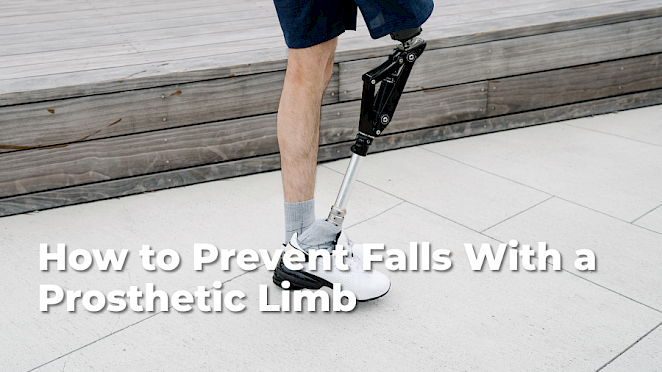
For people living with limb loss, maintaining balance and confidence while walking is an important part of everyday life. Whether you’re adjusting to a new prosthesis or have been using one for years, falls can still happen. Changes in terrain, uneven surfaces, poor prosthetic fit, or muscle fatigue can all affect balance and stability.
The good news is that many falls are preventable with the right support, proper prosthetic care, and proactive daily habits.
At Winnipeg Prosthetics & Orthotics, we’ve spent more than 40 years helping people across Manitoba improve mobility, comfort, and independence through personalized prosthetic care. As one of Manitoba’s largest prosthetic and orthotic team, we continue evolving with the latest technologies, techniques, and advancements in the field so we can recommend solutions based on your unique needs.
Why Fall Prevention Is Important for Prosthetic Users
Falls can impact more than just physical safety. They can also affect confidence, independence, and day-to-day mobility. For prosthetic users, even small changes in socket fit, alignment, footwear, or walking surfaces can increase the risk of instability.
That’s why regular prosthetic assessments, strength training, and gait support play an important role in long-term mobility and fall prevention.
5 Ways to Help Prevent Falls With a Prosthetic Limb
1. Check Your Prosthetic Fit Regularly
An ill-fitting prosthesis can affect your balance, posture, and walking pattern. Even minor discomfort can lead to instability over time.
Signs your prosthesis may need adjustment include:
-
Pressure points or skin irritation
-
Feeling uneven while standing
-
Increased fatigue while walking
-
A loose or unstable feeling during movement
If you are starting to notice any of the above, it may be time to book a follow-up appointment with your prosthetist to ensure your prosthesis continues to fit safely and comfortably as your body changes.
2. Practice Safe Walking Techniques
Being mindful of how you move can significantly reduce your risk of falling.
Helpful techniques include:
-
Taking shorter, controlled steps on uneven surfaces
-
Slowing down when turning or changing direction
-
Using handrails whenever possible
-
Staying aware of environmental hazards like wet floors, loose gravel, curbs, or cluttered walkways
Building safe walking habits can improve both confidence and stability in everyday situations.
3. Strengthen Your Core and Balance
Core strength is essential for balance, posture, and overall body control. Improving muscle strength and coordination can make walking with a prosthesis feel more natural and stable.
Working with a physiotherapist may help you:
-
Improve balance and coordination
-
Build core and lower-body strength
-
Improve posture
-
Increase confidence while walking
Even small exercises practiced consistently can make a meaningful difference over time.
4. Keep Walking Aids in Good Condition
If you use a cane, crutches, or a walker for additional support, regular maintenance is important.
Check for:
-
Worn rubber tips
-
Loose grips or handles
-
Reduced traction or stability
Properly maintained walking aids can provide safer, more reliable support during daily activities.
5. Wear Supportive Footwear
The right footwear can improve stability, comfort, and confidence.
Look for shoes with:
-
Slip-resistant soles
-
Good ankle support
-
A firm, stable heel
-
Secure fasteners
-
Proper compatibility with your prosthesis
Supportive footwear can help improve balance and reduce unnecessary strain while walking.
What to Do if You Fall With a Prosthetic Limb
Even with precautions in place, falls can still happen. Knowing how to respond safely can help reduce panic and prevent further injury.
How to Get Up Safely After a Fall
1. Stay Calm and Assess Yourself
Take a moment to breathe and check for pain or injuries before attempting to move.
2. Roll Onto Your Side
If possible, slowly roll onto your side and then onto your stomach.
3. Move Toward a Stable Surface
Crawl toward a sturdy object like a chair, couch, or low table that can support your weight.
4. Push Yourself Up Slowly
Place your stronger leg forward and use your arms to help push yourself into a seated or standing position gradually.
5. Rest Before Walking Again
Once upright, sit and rest for a few moments before attempting to walk. If you feel pain, dizziness, or instability, seek assistance.
When to Schedule a Prosthetic Assessment
If you’ve experienced a fall or notice changes in your balance, it may be time for a check-in with your prosthetist. Small adjustments to your fit or alignment can often improve comfort and stability before larger issues develop.
At Winnipeg Prosthetics & Orthotics, our team works closely with patients throughout Winnipeg and across Manitoba to provide personalized prosthetic care designed around each individual’s goals and lifestyle.
With over 40 years of experience and Manitoba’s largest prosthetic and orthotic team, we’re committed to helping patients stay mobile, confident, and supported through every stage of their journey.
Looking for Prosthetic Support in Manitoba?
Whether you need a prosthetic adjustment, gait assessment, or ongoing support, the team at Winnipeg Prosthetics & Orthotics is here to help.
Book an appointment to learn how personalized prosthetic care can help improve balance, mobility, and confidence in your everyday life.